Home·Vibrators
Vibrators
Power, quiet operation, material, battery life: what to look for when choosing a vibrator that's right for you.

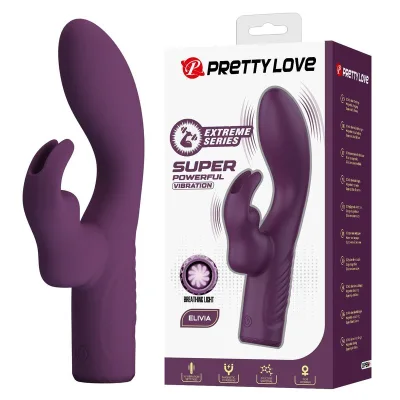
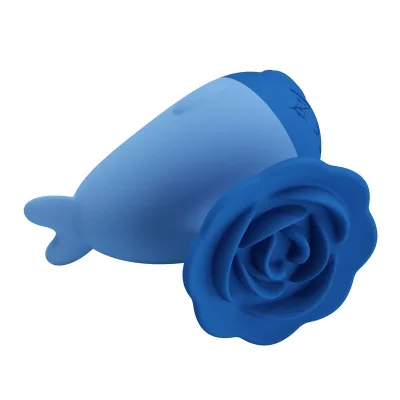
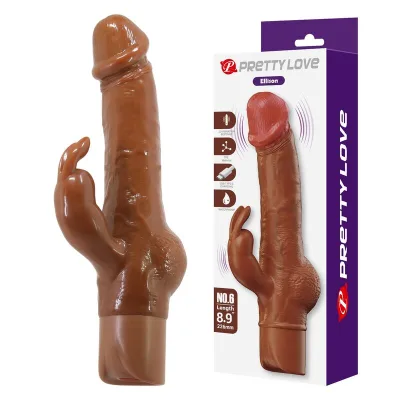
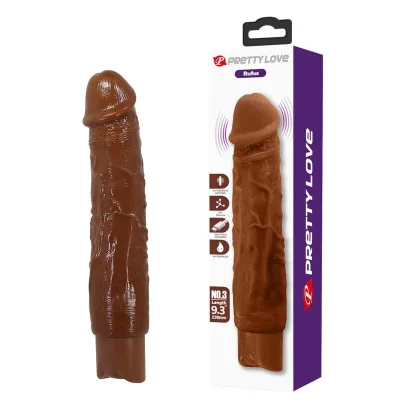
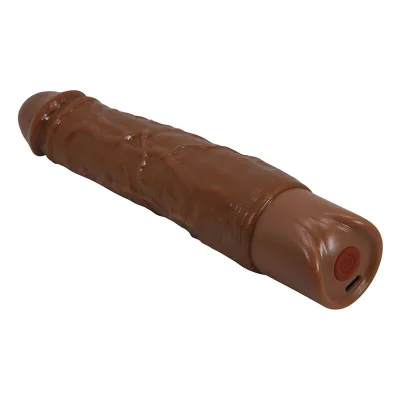
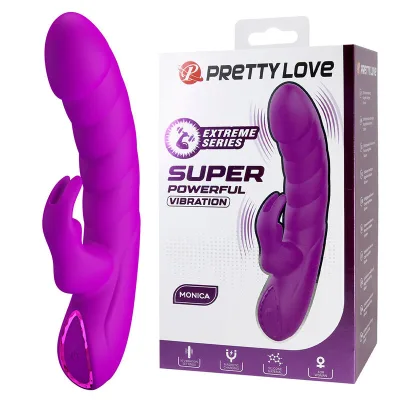
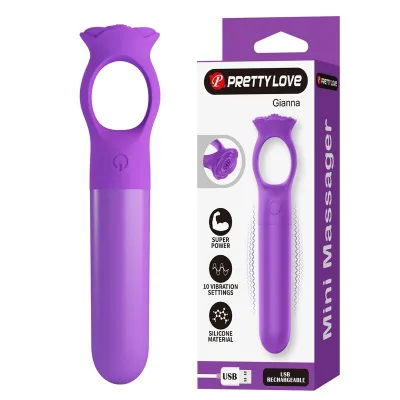
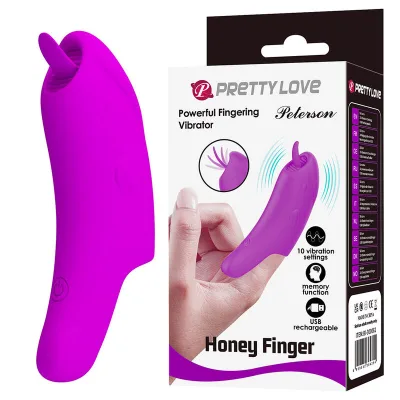
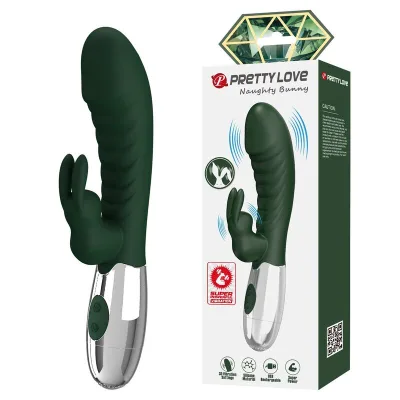
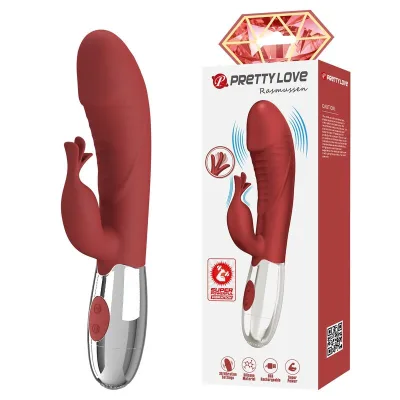
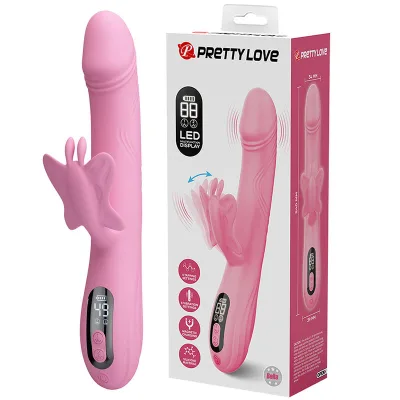
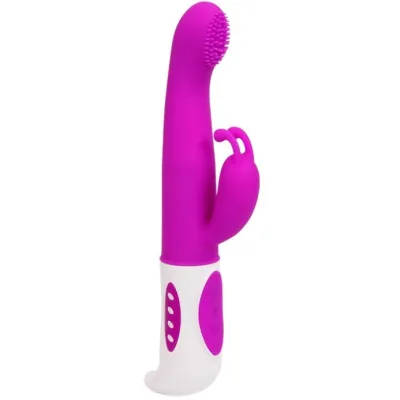
Powerful doesn't mean loud
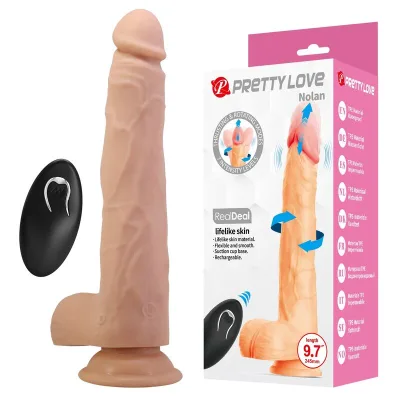
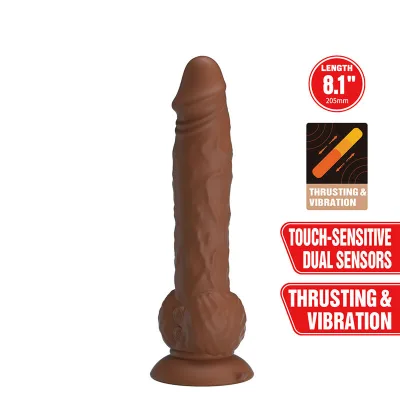
This is the most common misconception. Power comes from the motor; noise comes from the casing and the material surrounding it. A model made of thick silicone can be quite powerful yet remain discreet, while a model made of hard plastic can be heard throughout the room even at much lower power settings. If quiet operation is important to you, look at the material before the specs.
Finding the Right Shape
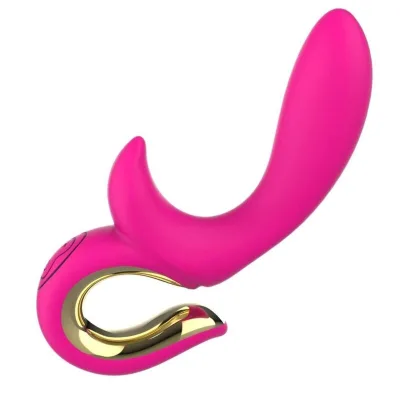
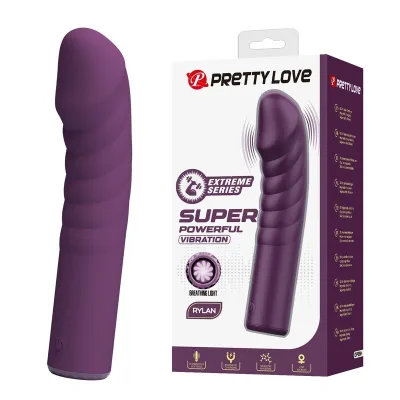
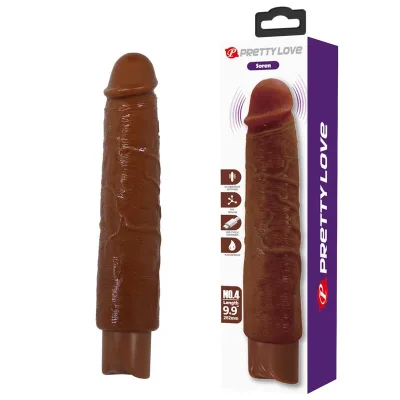
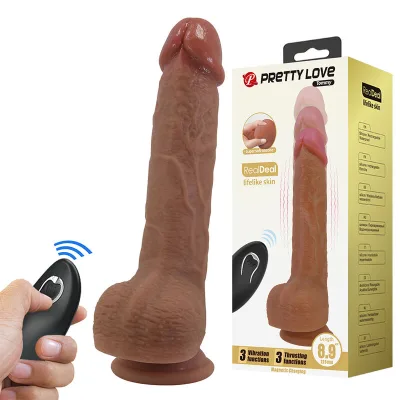
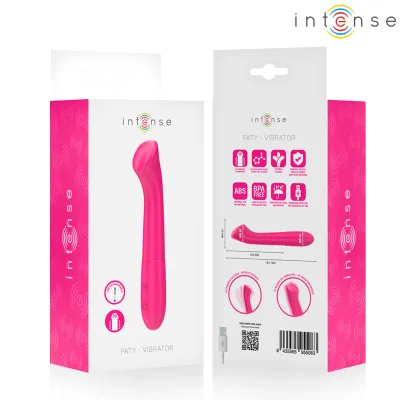
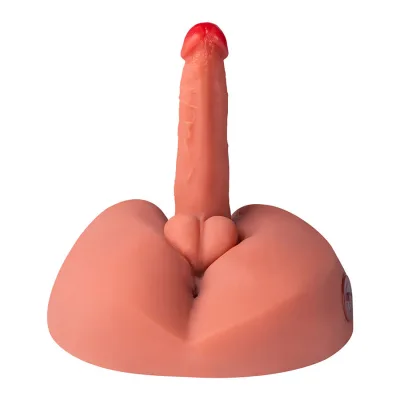
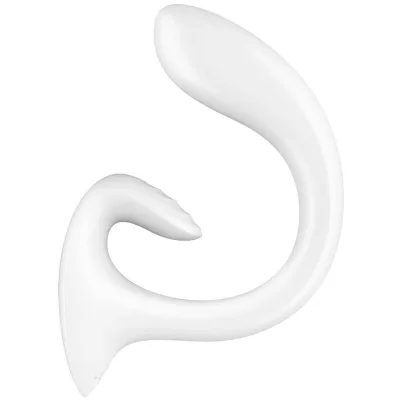
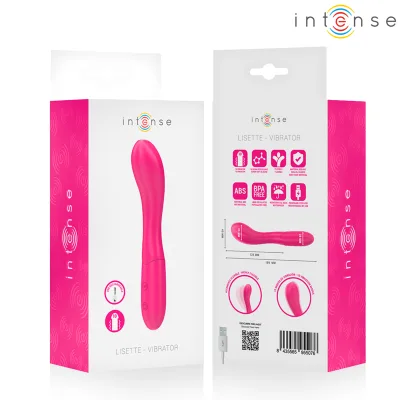
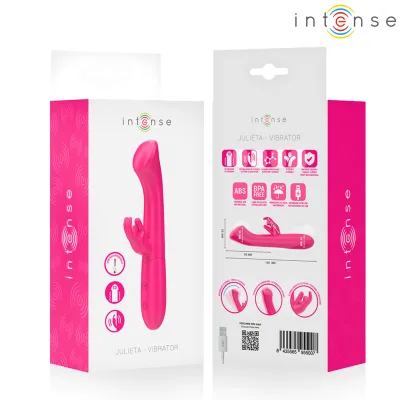
The classic vibrator—straight or slightly curved—is suitable for everyone and works well for couples. The rabbit vibrator adds a small external wing and does double duty. The curved head targets the G-spot and is recognizable by its bulbous tip. The egg-shaped vibrator, often remote-controlled, slips in anywhere and is easily shared. None of these shapes is better than the others—they simply aren’t designed for the same purpose.
Three Details That Make All the Difference
Medical-grade silicone is soft, non-porous, and easy to clean: it’s the material of choice. USB-rechargeable models eliminate the risk of batteries dying at the wrong moment and maintain consistent power. Waterproofing allows for use in the bath and, most importantly, rinsing without worry. A reminder to avoid disappointment: with a silicone toy, use a water-based lubricant—silicone-based lubricant softens the surface, and this damage is irreversible.